
Storing desserts sounds simple until you open the fridge the next day and realize something went very wrong. Cheesecake is dry, cannolis are soggy, tarts have lost their structure, and cream puffs have completely given up. None of that happens because the desserts were bad. It happens because they were stored incorrectly.
Not all desserts follow the same rules. What keeps cheesecake perfect will absolutely destroy a cannoli. What helps a tart survive overnight can ruin a cream puff. This guide breaks down exactly how to store cheesecake, cannolis, tarts, and cream puffs so they stay fresh, flavorful, and worth eating.
If you’re buying high-quality desserts, storing them correctly is not optional.
Why Dessert Storage Actually Matters
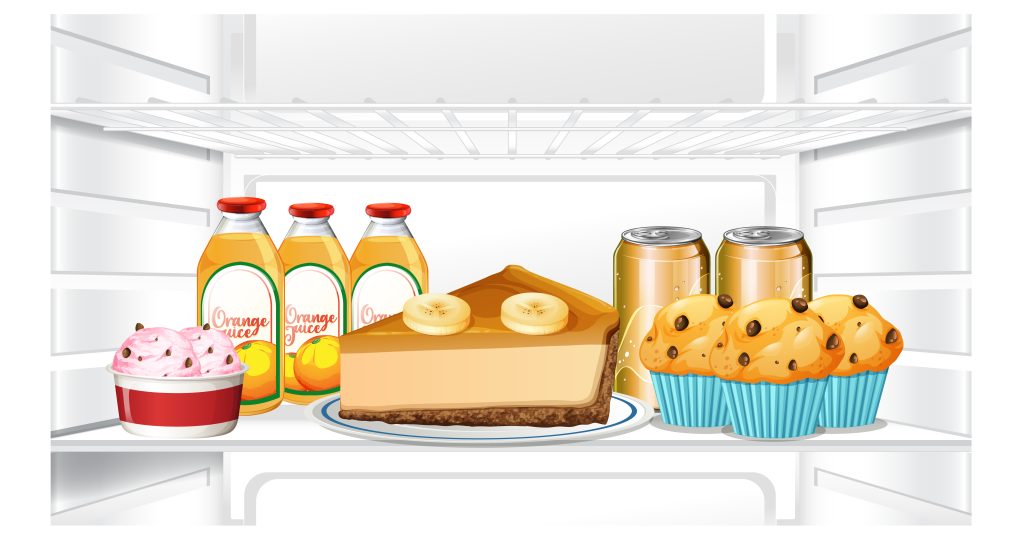
Desserts are built on texture. Creaminess, crunch, flakiness, and structure are all fragile. Once air, moisture, or temperature swings get involved, quality drops fast.
Most dessert disasters come from three assumptions:
- Everything belongs in the fridge
- Foil is good enough
- Tomorrow will taste the same as today
None of those are true. Proper storage protects flavor, texture, and appearance. Improper storage quietly ruins all three.
The Golden Rules of Storing Desserts
Before getting specific, a few rules apply across the board.
- Air dries desserts out and kills texture
- Moisture turns crisp pastries soggy
- Temperature affects structure as much as freshness
Desserts fail when they are left uncovered, wrapped too tightly without thought, or stored in the wrong environment. The goal is balance, not just containment.
Why Air Is the Fastest Way to Ruin Dessert

Air exposure is the quickest path to dry cheesecake, stale crusts, and lifeless fillings. Any cut surface needs protection. Airtight containers or direct-contact plastic wrap are essential.
Moisture Control Is Everything
Too much moisture makes shells and crusts soggy. Too little makes desserts dry and crumbly. Paper towels inside containers help regulate moisture without suffocating the dessert.
When Refrigeration Helps and When It Hurts
Cold preserves cream-based desserts but destroys crunch. Refrigeration is necessary for some items and harmful for others. Knowing the difference matters.
How to Store Cheesecake the Right Way
Cheesecake is rich, delicate, and extremely sensitive to air and odors. It must be refrigerated, but careless storage dries it out fast.
- Should Cheesecake Be Refrigerated?
- Yes. Cheesecake must stay refrigerated to remain safe and stable.
- How to Store a Whole Cheesecake
- Place the cheesecake in an airtight container. If the container is slightly tall, that is better than pressing the wrap against the surface. If no container fits, loosely tent plastic wrap over the top and wrap around the sides.
- How to Store Sliced Cheesecake
- Press plastic wrap directly against the cut edges to prevent moisture loss. Then place slices in an airtight container. Exposed edges dry out first and fastest.
- How Long Does Cheesecake Stay Fresh?
- Cheesecake is best within 3 to 5 days in the refrigerator. After that, the texture degrades even if it still looks fine.
- Can You Freeze Cheesecake?
- Yes. Wrap slices tightly in plastic wrap, then add a second protective layer. Freeze for up to one month. Thaw overnight in the refrigerator.
Common Cheesecake Storage Mistakes
- Leaving it uncovered
- Storing it near strong-smelling foods
- Using foil alone
- Freezing without proper wrapping
How to Store Cannolis Without Losing the Crunch
Cannolis are designed for contrast. Crisp shell, creamy filling. Storage mistakes destroy that balance quickly.
Why Cannolis Go Soggy Fast
The shell absorbs moisture from the filling and the environment. Refrigeration accelerates this process.
How to Store Cannoli Shells
Store shells at room temperature in an airtight container. Keep them dry. Never refrigerate shells.
How to Store Filled Cannolis
Filled cannolis are meant to be eaten the same day. If storage is unavoidable, refrigerate loosely covered for no more than 12 to 24 hours.
How Long Can Cannolis Stay Fresh
- Filled cannolis are best within hours
- Shells last several days if dry
- Filling lasts 2 to 3 days refrigerated
Common Cannoli Storage Mistakes
- Refrigerating shells
- Wrapping filled cannolis tightly
- Expecting next-day crunch
How to Store Tarts Without a Soggy Crust
Tarts are all about balance. Crisp crust, smooth filling, stable structure.
- Do Tarts Need to Be Refrigerated?
- Most tarts do, especially those with custard or cream-based fillings.
- How to Store Custard-Based Tarts
- Refrigerate in an airtight container. Place a paper towel inside to absorb excess moisture and protect the crust.
- How to Store Fruit Tarts
- Refrigerate in a rigid container to prevent damage. Moisture control is critical to prevent sogginess.
- How Long Tarts Stay Fresh
- Tarts are best within 1 to 2 days. After that, the crust texture deteriorates regardless of storage method.
- Can You Freeze Tarts?
- Some tarts freeze better than others. Custard-heavy tarts often lose texture. Freeze only if necessary and thaw slowly in the refrigerator.
How to Store Cream Puffs Before They Collapse
Cream puffs are delicate by nature and have very little tolerance for poor storage.
Do Cream Puffs Need Refrigeration?
Yes. Filled cream puffs must be refrigerated.
Best Way to Store Cream Puffs
Store in a single layer inside an airtight container. Add a paper towel to manage moisture. Avoid stacking.
How Long Cream Puffs Stay Fresh
- Best the day they are made
- Next day is acceptable but softer
- Beyond 48 hours, quality drops sharply
Can You Freeze Cream Puffs?
Filled cream puffs do not freeze well. Unfilled shells can be frozen and re-crisped, but filled puffs should not be frozen.
Common Cream Puff Storage Mistakes
- Stacking
- Leaving uncovered in the fridge
- Freezing filled puffs
Best Containers and Tools for Storing Desserts
Good dessert storage does not require professional equipment, but it does require the right basics. Airtight containers are essential for protecting structure and preventing desserts from absorbing odors, while plastic wrap is best for sealing exposed surfaces and cut edges where moisture loss happens fastest. In many cases, using both together provides the best protection. Paper towels also play an important role by regulating moisture inside containers, absorbing excess humidity that causes sogginess without drying desserts out or affecting texture.
What Not to Use for Dessert Storage
- Foil alone
- Bakery boxes for long-term storage
- Plastic bags for delicate desserts
Dessert Shelf Life Guide
Cheesecake Shelf Life
- 3 to 5 days refrigerated
- Up to 1 month frozen
Cannoli Shelf Life
- Same day best if filled
- Shells last several days dry
Tart Shelf Life
- 1 to 2 days refrigerated
Cream Puff Shelf Life
- Same day best
- Next day acceptable
Common Dessert Storage Mistakes to Avoid
- Putting everything in the fridge automatically
- Leaving desserts uncovered
- Ignoring moisture control
- Freezing without proper wrapping
Expert Tips From a Bakery That Makes These Desserts Daily

At FOUR Desserts, everything is made fresh with the expectation that it will be enjoyed, not stored indefinitely. These desserts are designed for quality, not shelf life. The best strategy is simple. Plan when you’ll serve them, store them properly for the short term, and enjoy them at their best.
Great desserts deserve better than careless storage. When you treat cheesecake, cannolis, tarts, and cream puffs properly, they deliver exactly what they’re meant to.
Eat them fresh. Store them smart. And don’t wait too long. Order your desserts now!

